How deals get structured
Deal Anatomy
Most funding problems are variations on a small number of recurring situations. Below are the deal shapes we see most often, how each one is typically structured, and what makes the difference between a case that funds and one that stalls. These are structural examples, not accounts of individual client transactions.
Structures are illustrative. The case studies are real client transactions, anonymised.
Deal structures we see most often
- Bridging
- Typical loan
- £250k – £2m
- Typical LTV
- 65–75%
- Typical timescale
- 2–4 weeks
The lender pulls before the hammer
An auction purchase with a 28-day completion and a mainstream lender that withdraws late. The deposit is already committed and the contract is exchanged. A bridge takes the deadline pressure off, with the term-lending conversation moved to after completion rather than before it.
Typical structure
Bridge to term. Exit by refinance onto an investment mortgage once the property is let and seasoned.
- Bridging
- Typical loan
- £500k – £5m
- Typical LTV
- 60–70%
- Typical timescale
- 3–6 weeks
The facility matures and the lender will not extend
A maturing bridge or development facility where the incumbent lender has reached its term limit and the exit has slipped. A refinance buys the time the original timetable did not allow, priced on the asset rather than on the borrower's recent history with that lender.
Typical structure
Refinance of an existing facility, sized on current value with a defined exit.
- Development
- Typical facility
- £1m – £10m
- Typical LTGDV
- 60–70%
- Typical timescale
- 4–8 weeks
Planning discharge slips and the scheme runs long
A residential or mixed-use scheme where conditions take longer to discharge than the facility term allowed. Restructuring mid-build brings the exit back within reach without forcing a sale at the wrong point in the programme.
Typical structure
Mid-build restructure or replacement facility, sized on cost to complete and revised GDV.
- Commercial
- Typical loan
- £250k – £3m
- Typical LTV
- 65–75%
- Typical term
- Up to 25 years
A semi-commercial investment the high street will not price
Retail or office with flats above, an HMO above licensing thresholds, or a mixed-use block where the high street applies a blanket policy rather than looking at the asset. Specialist and challenger lenders price these on rental cover and tenant quality.
Typical structure
Investment mortgage on a commercial or semi-commercial asset held in a corporate structure.
Case studies
Real deals, anonymised
Actual transactions we have arranged. Client-identifying details are removed; lender names and figures are shown where the client has agreed.
 Bridging
Three facilities arranged in parallel
Three facilities, one client — two bridges plus development finance
A South London portfolio landlord running two purchases and a ground-up development at the same time. Three funding lines arranged and managed in parallel, with no deal allowed to slow another down.
 Commercial
Specialist security, placed with the right lender
The scaffolding yard — the asset most lenders won't touch
Directors of an established scaffolding company raising finance secured on their operating yard — specialist commercial land with limited comparable evidence that mainstream lenders decline on sight.
 Commercial
Owner-occupier pub purchase with Allica Bank
Buying the pub — a challenger-bank commercial mortgage
An established hospitality operator buying the freehold of the Surrey pub their business trades from — with an asbestos report, source-of-deposit evidence and guarantor legal advice all needing to be unblocked.
 Bridging
Valuation corrected, offer secured on proper terms
The valuation error — challenging the numbers on a high-value bridge
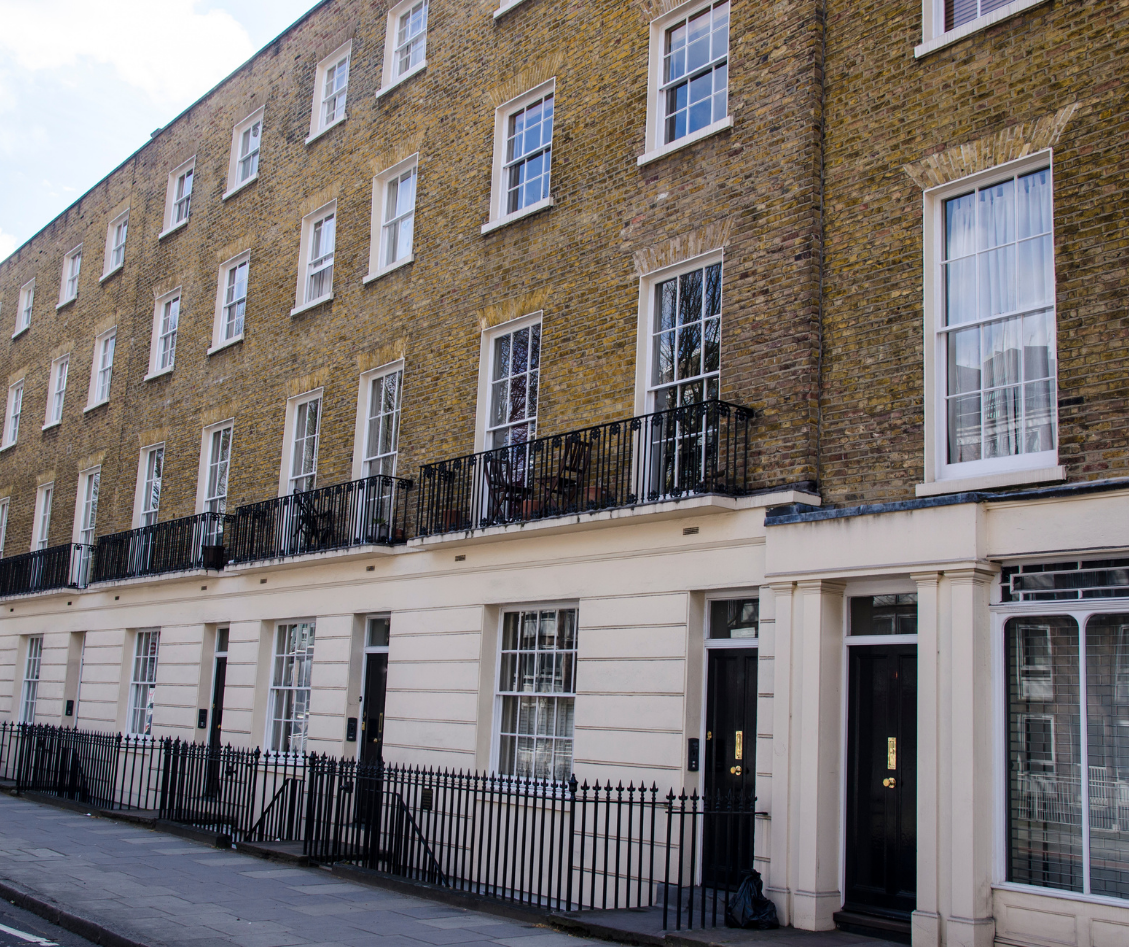
A material error in a valuation on a high-value Surrey residential property — the kind of mistake that, unchallenged, kills a deal or costs the borrower tens of thousands in reduced lending.
 Commercial
Offer extended, price change absorbed — no re-underwriting
The expiring offer — keeping a purchase alive
A property investor buying leasehold flats, delayed by slow third parties, with the mortgage offer heading for expiry and the price renegotiated mid-transaction.
What Edge Commercial Finance arranges
- Bridging finance — purchases, auctions, chain breaks, refurbishment
- Development finance — ground-up and conversion, through SPVs
- Commercial mortgages — owner-occupier and investment, including licensed and specialist premises
- Business finance secured on commercial property and land
- Access to the wider Edge network: regulated mortgage advice, protection and estate planning through connected, authorised advice firms
Have a deal in front of you?
Send us the outline. You will get a straight answer on deliverability and indicative terms — not a form response.
We aim to respond the same working day.
Or book a 30-minute call at a time that suits you.